Learning Without Barriers
Supporting voices that go unheard
Prototyped a classroom engagement system integrating web interfaces and wearable haptics to foster inclusive participation and reduce barriers to speaking up.
Role
Prototyping
Timeline
Jan '25 - Feb '25
Context
Many students hesitate to speak up when confused because of fear or low confidence. This often goes unnoticed and can lead to disengagement, distraction, and widening learning gaps.
Challenge
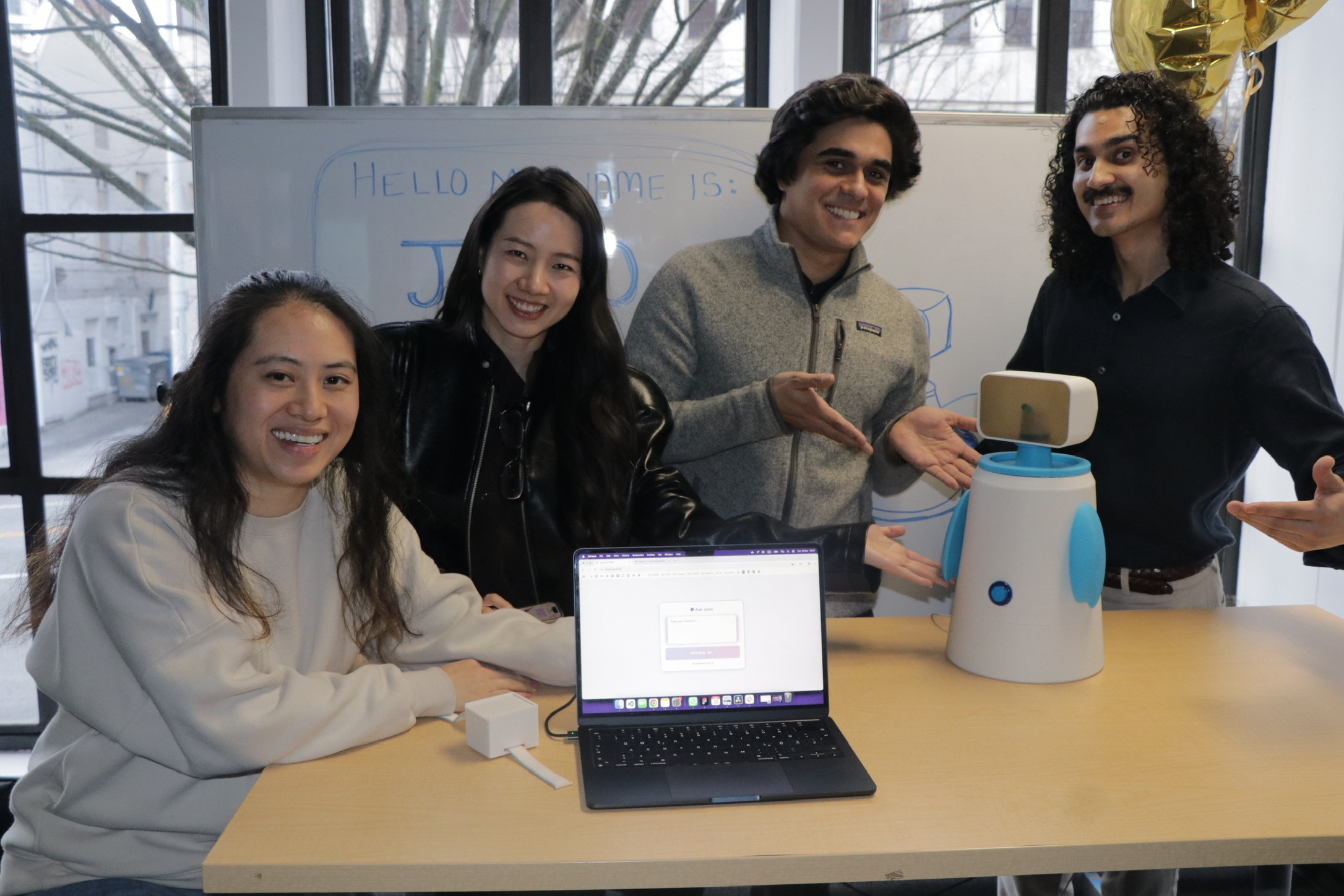
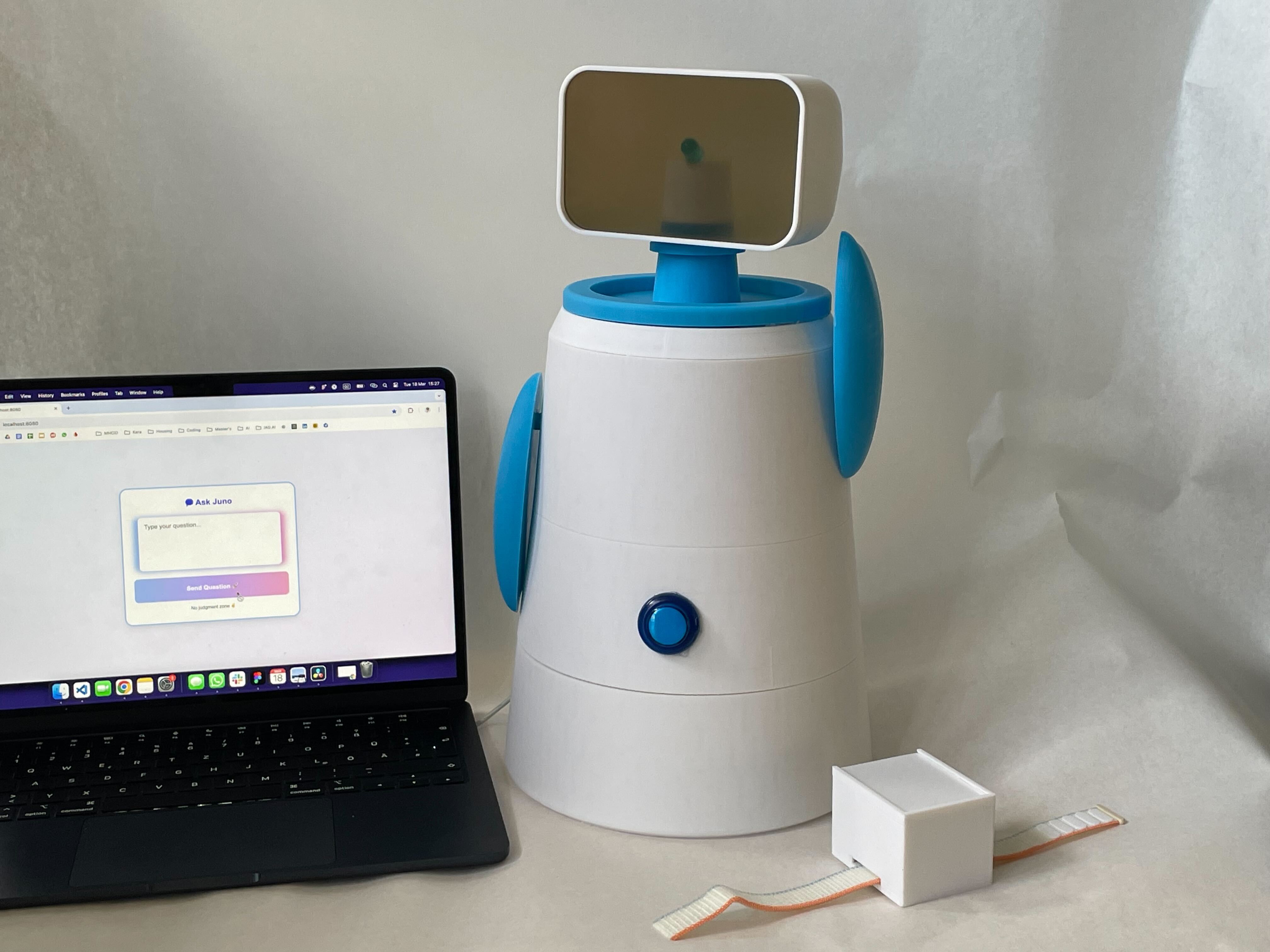
We explored how technology could enable judgment-free participation for students. As lead hardware prototyper, I built functional prototypes using microcontrollers, soldering, and 3D printing.
Goal
We aimed to design an interactive learning experience that captures student attention, helps teachers understand and respond to engagement, and complements existing classroom technology.
How might we help teachers recognize disengaged students and create safer ways for students to ask for help?
Concept Development
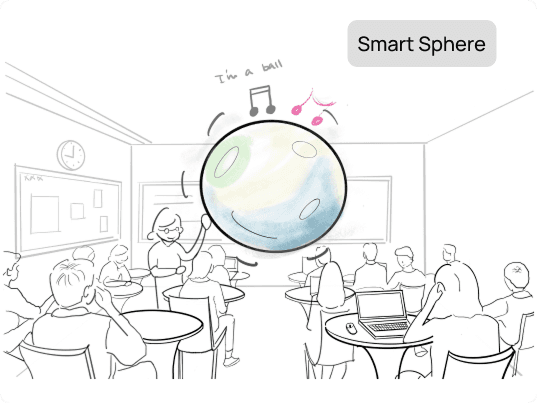
We began with paper-based explorations, generating five design concepts supported by sketches to visualize and iterate early.
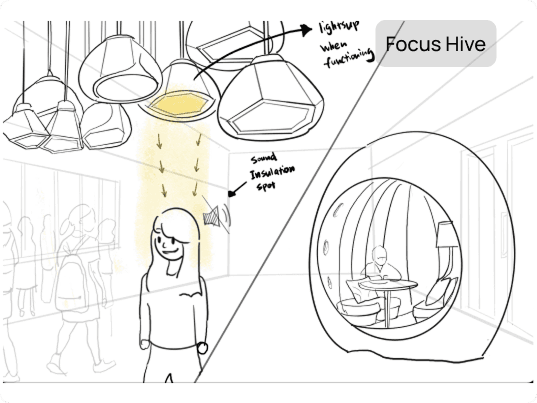
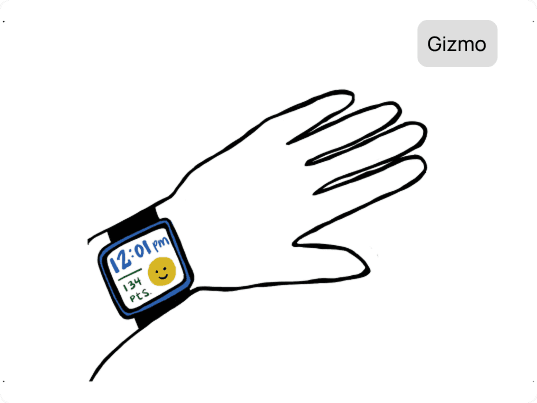
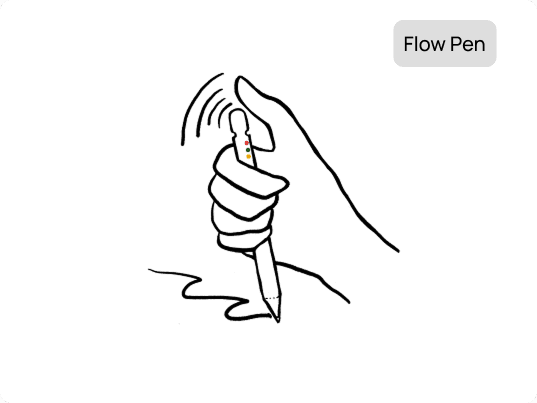
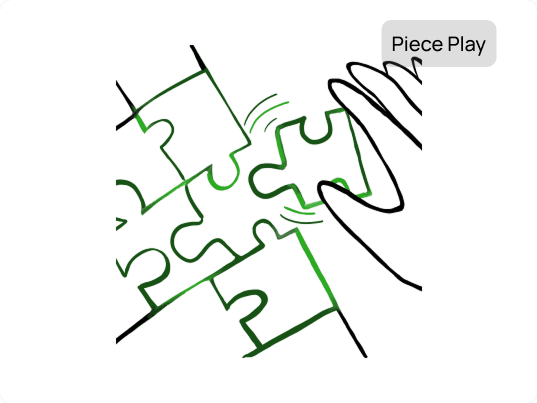
Storyboarding
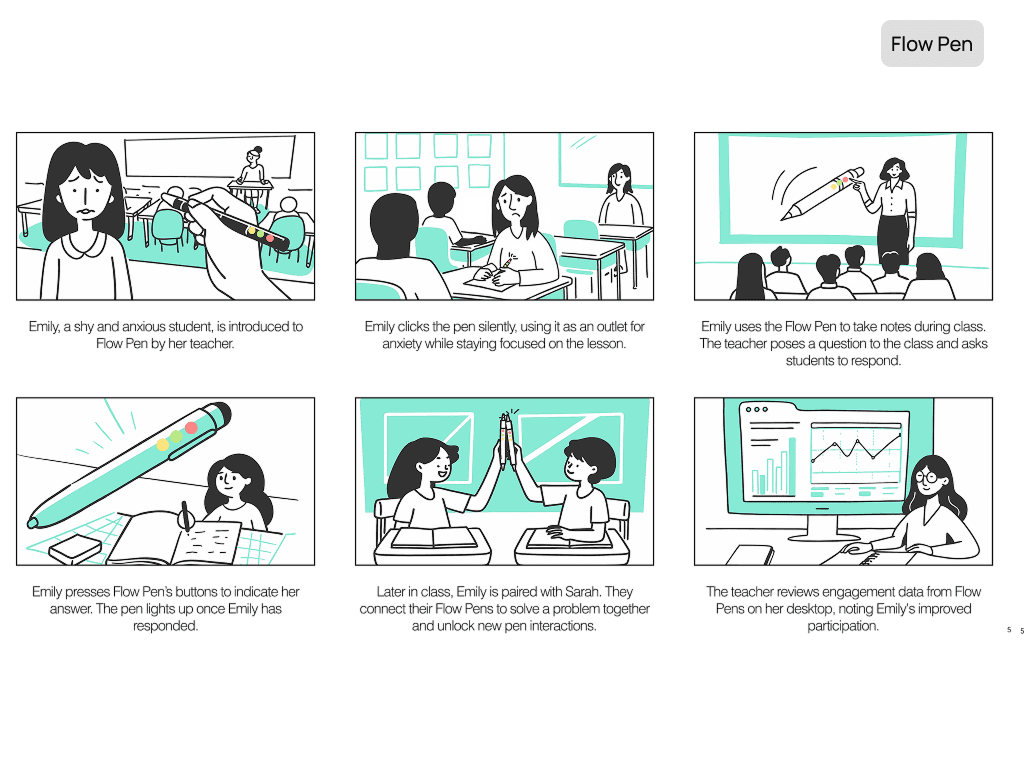
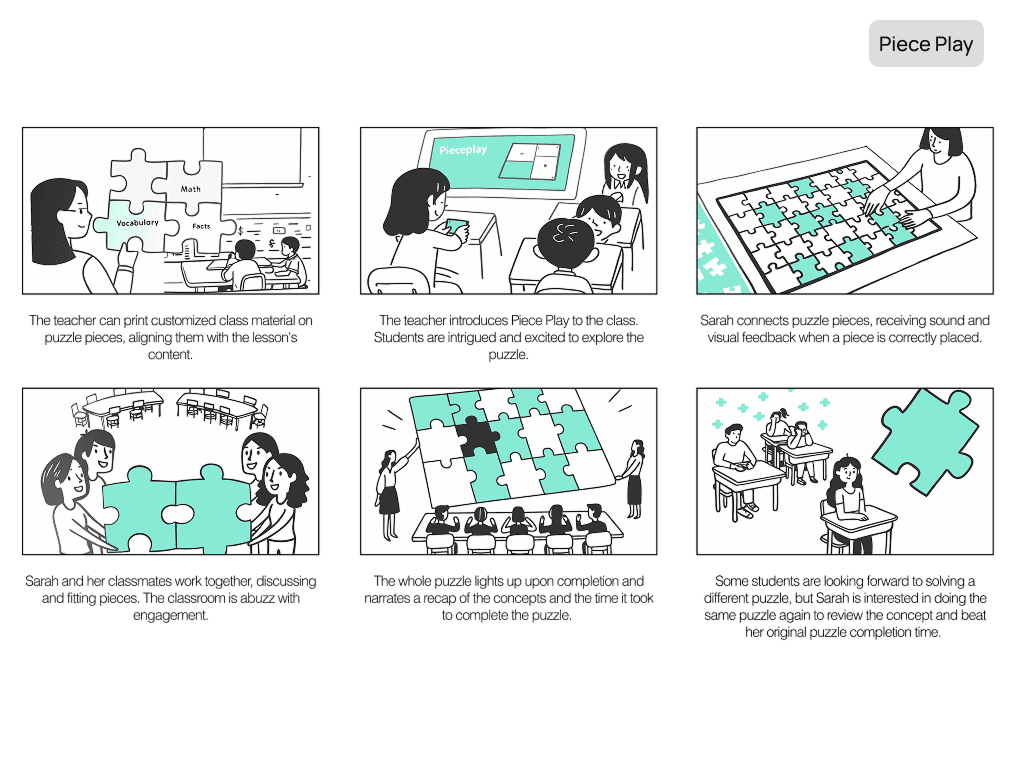
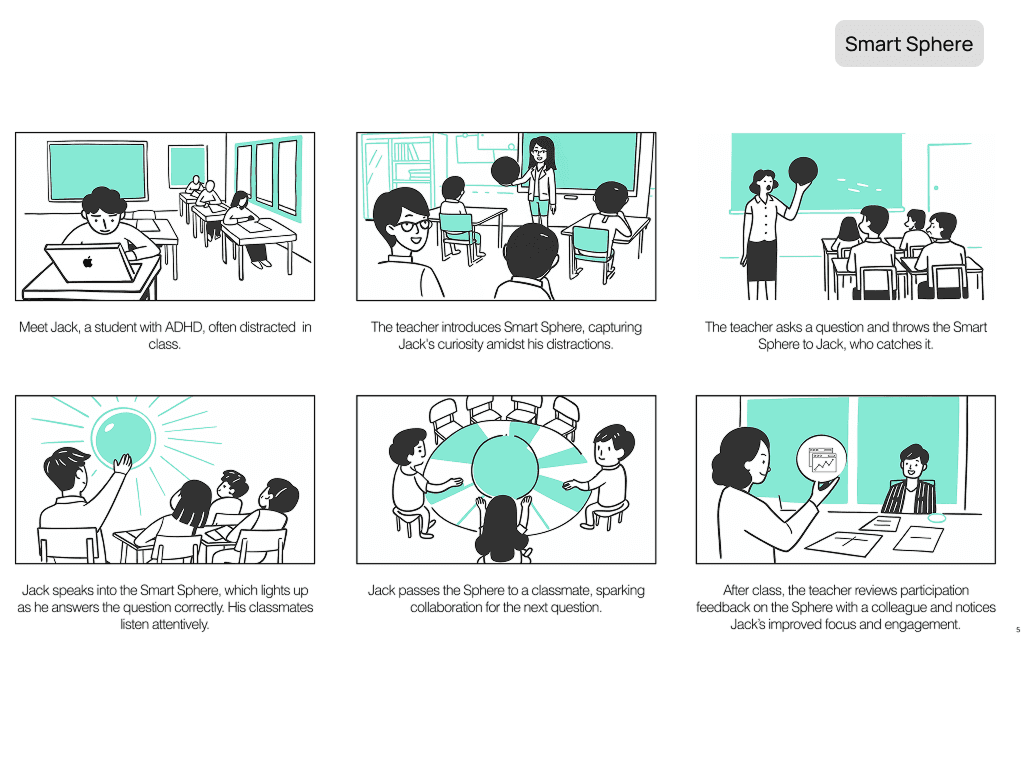
To move into storyboarding, we prioritized ideas aligned with our goals and selected concepts balancing student engagement with classroom usability.
Assumption mapping
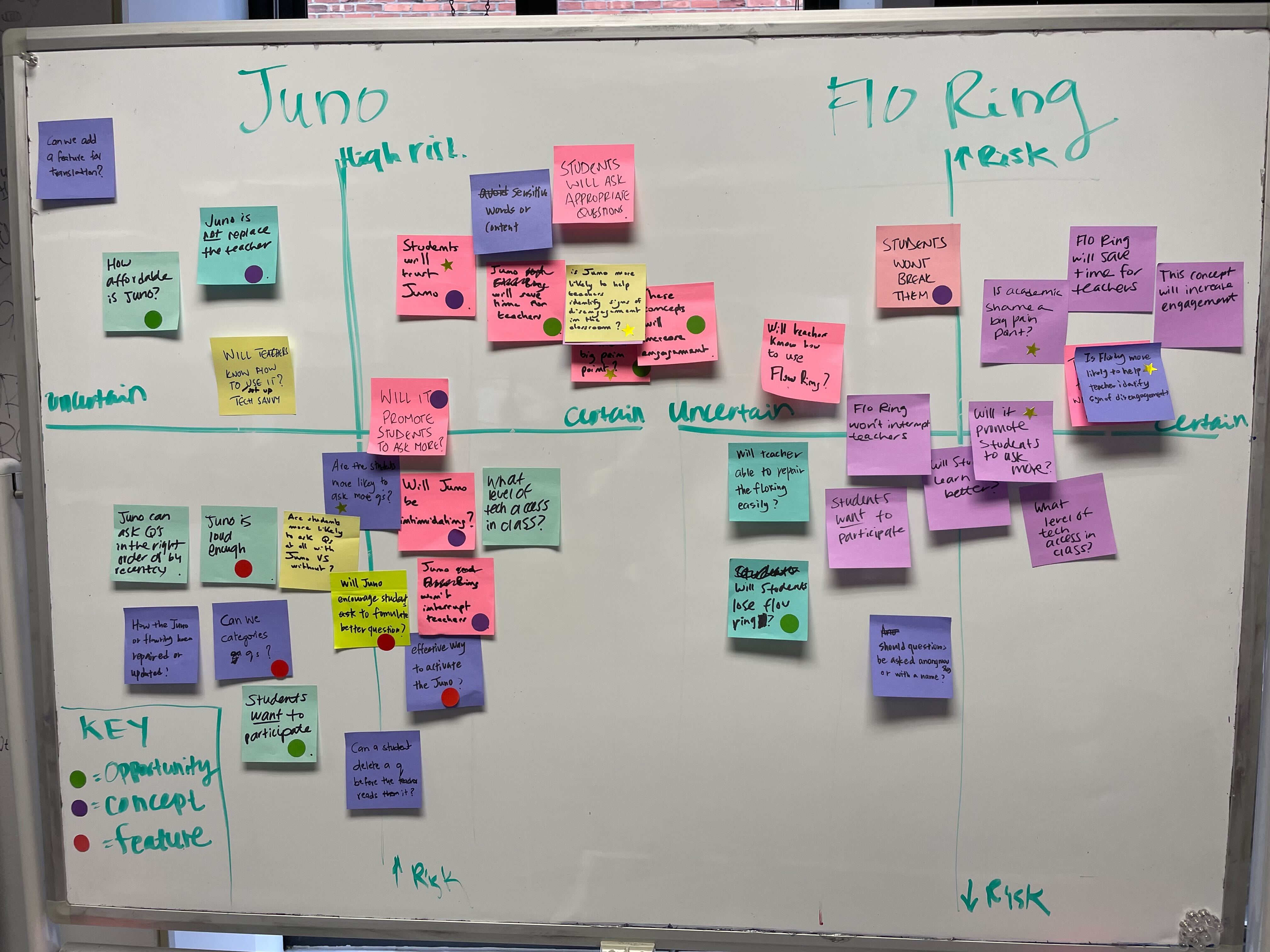
We used a 2×2 matrix to map questions and hypotheses by certainty and impact, helping us prioritize assumptions and direct prototyping toward the highest learning opportunities.
Prioritized assumptions
Teachers are open to learning new tools if they save time and help spot student disengagement
Students want to participate, but fear of judgment often holds them back
Students are more likely to engage with technology that protects their privacy and keeps questions anonymous
New tech won't disrupt focus if it fits seamlessly into existing classroom routines
Rapid Prototyping
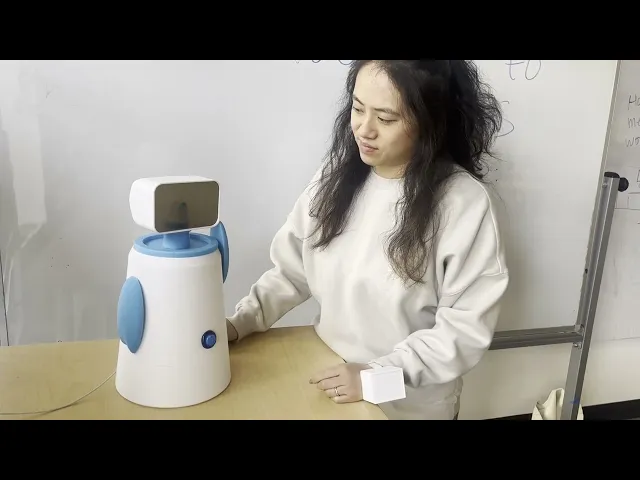
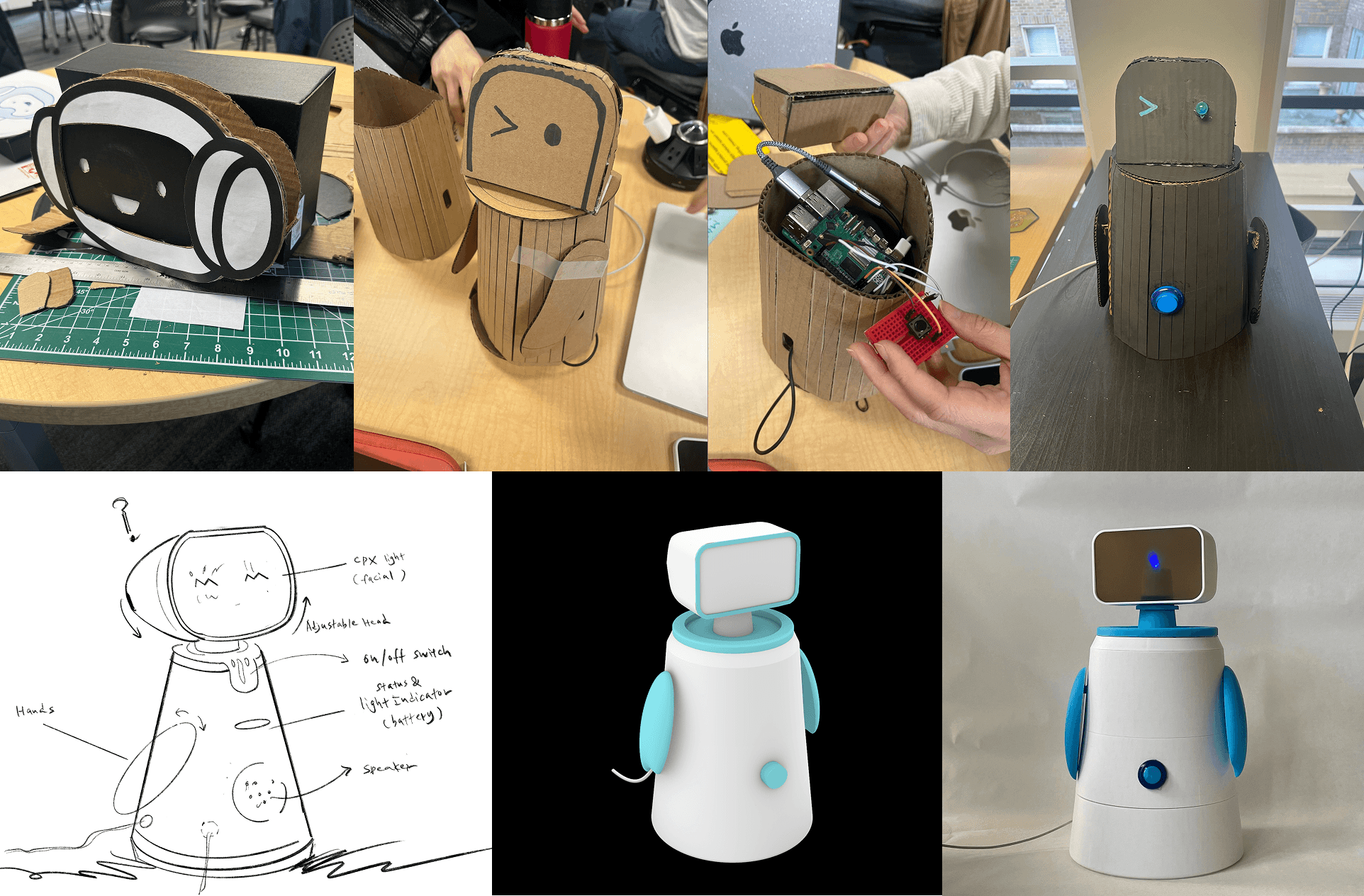
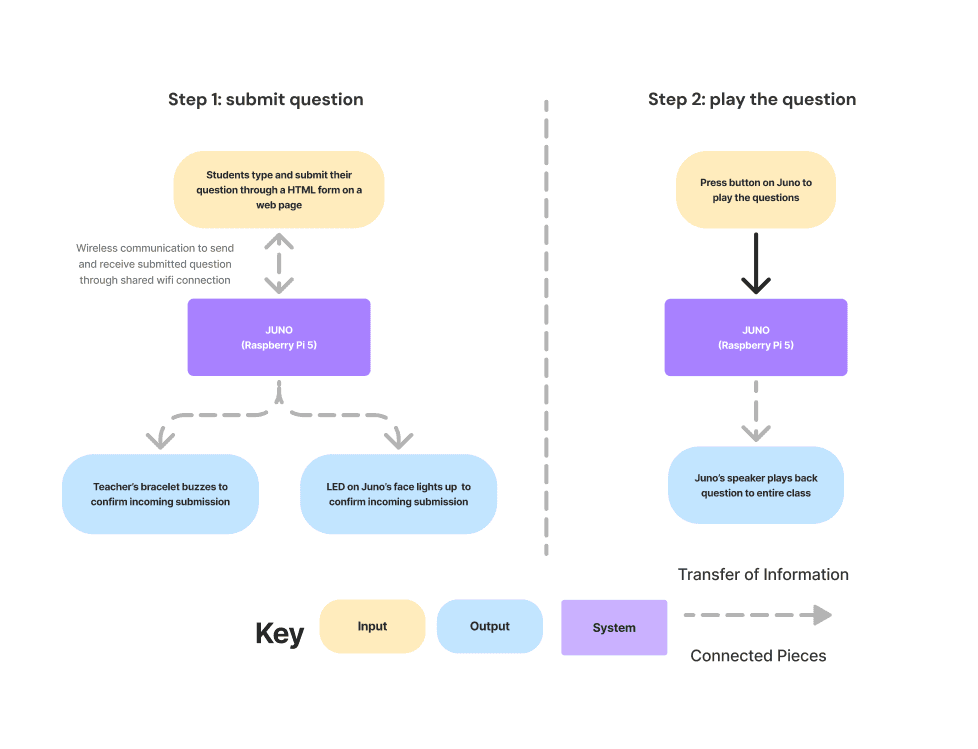
Through iterative testing, I improved the form to better support student needs, adding a button for question playback.
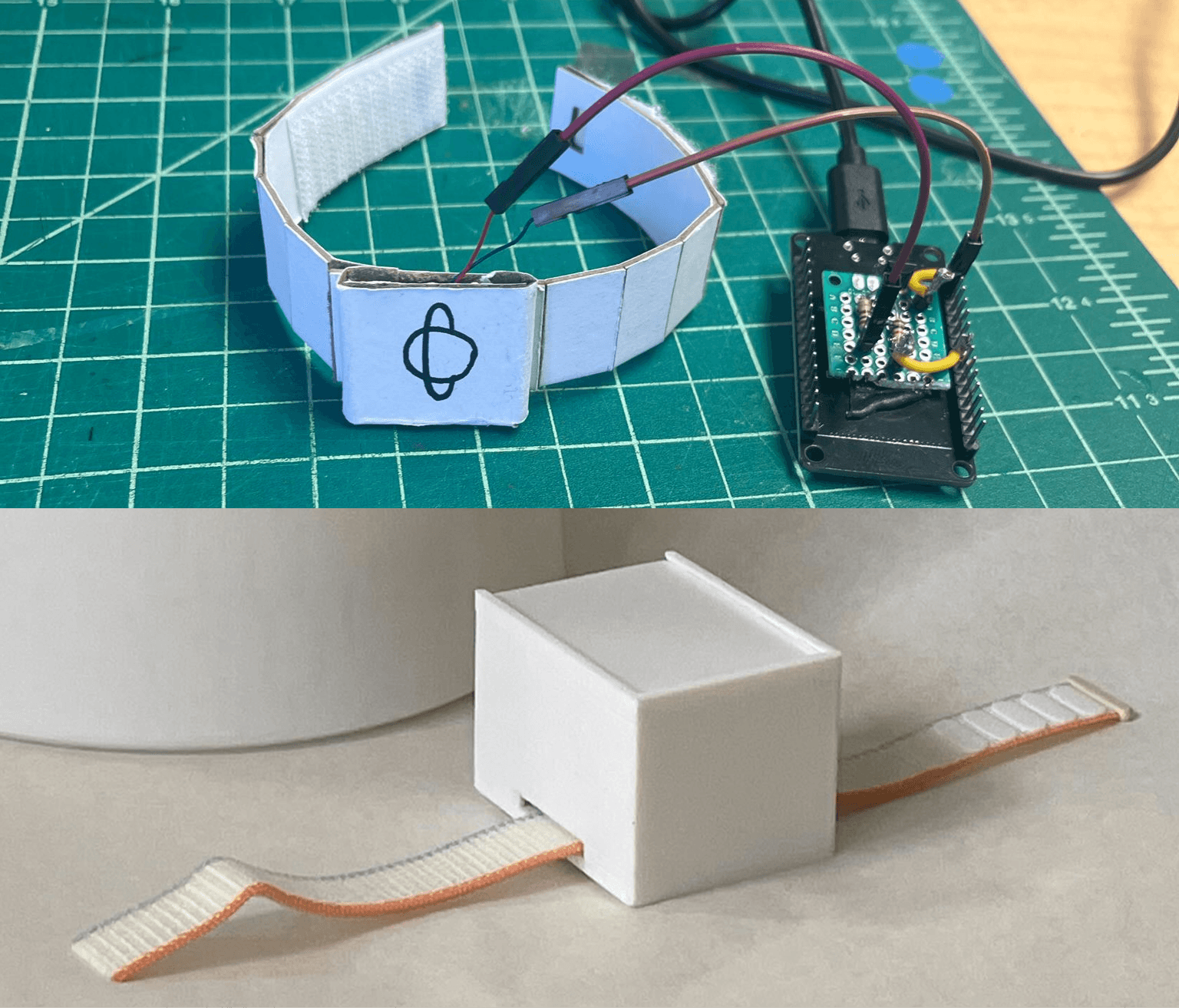
In parallel, I developed a wearable for teachers that vibrated when questions were ready to be played.
Testing & Feedback
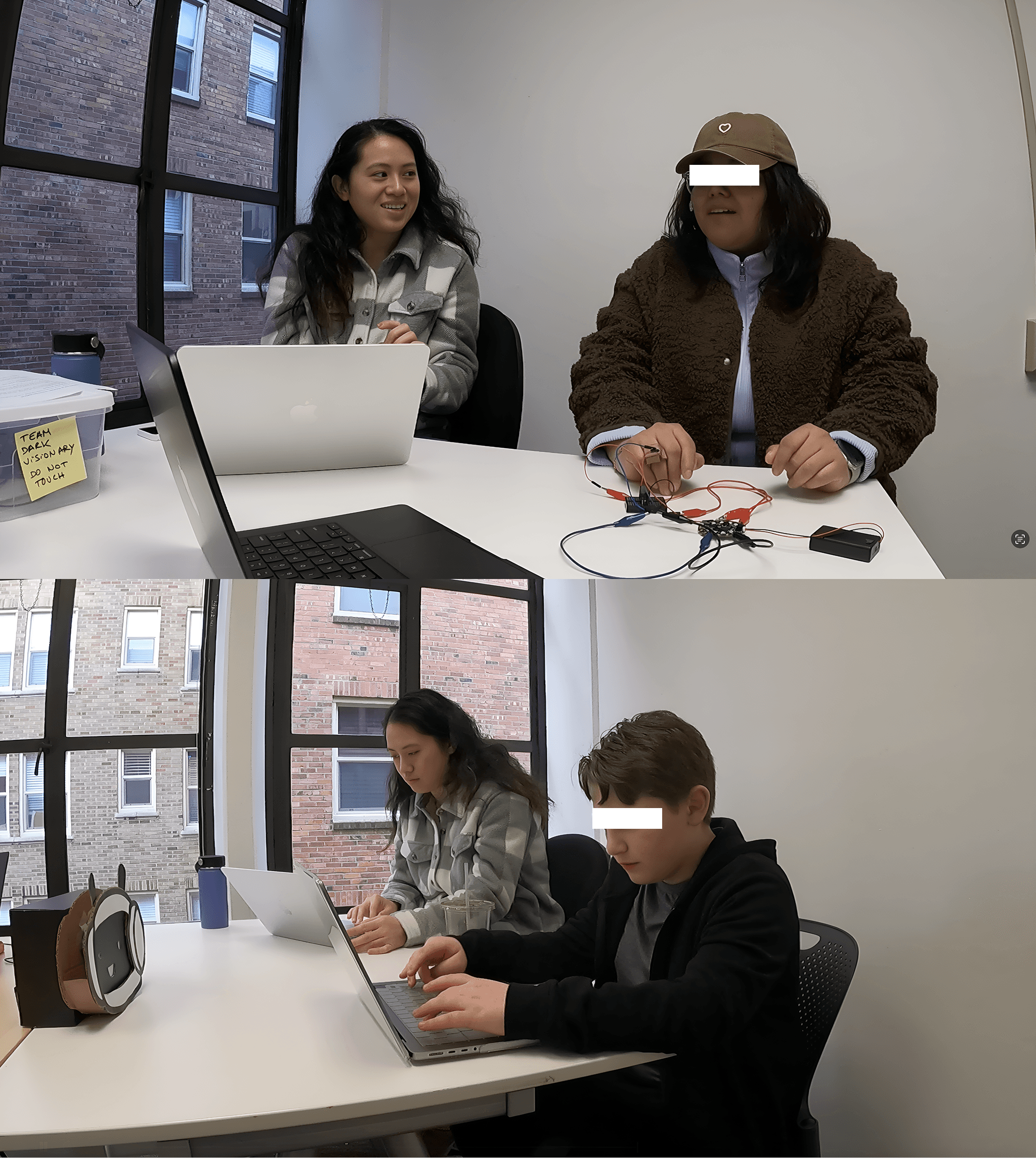
To identify usability issues, validate design choices, and gather feedback, I conducted user tests. These helped us assess how well our prototypes validated the assumptions made earlier.
Learnings
User testing revealed academic shame as a barrier to participation
The student preferred anonymous question submission through Juno, provided only the teacher could identify the sender
The teacher valued this traceability to support struggling students and appreciated Flow Ring’s subtle haptic cue as a non-disruptive alert
Impact
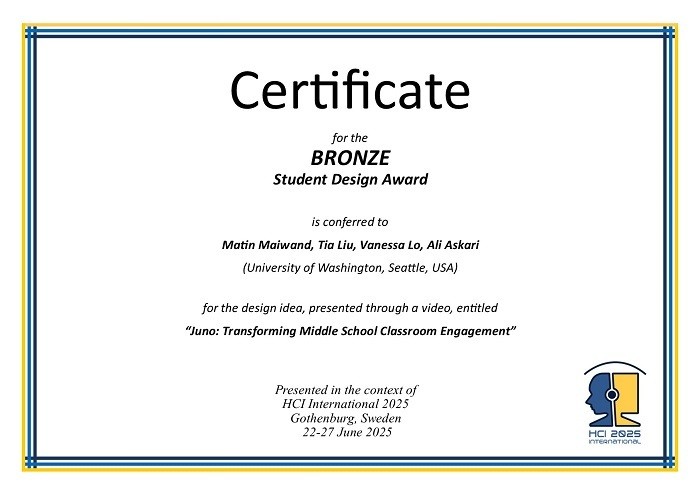
Juno fostered more inclusive student-teacher interaction through intuitive, low-friction design. Despite limited access to middle school classrooms, rapid testing helped validate the concept’s potential. The project received a Bronze Student Design Award at HCI International 2025, recognizing its promise in shaping more responsive learning environments.