Human Factors Insights
Reducing Driver Distraction in In-Car Messaging
Designed and led a driving-simulator UX study evaluating voice interaction styles and road-context timing to inform safer in-vehicle messaging systems.
Role
UX Research
Timeline
Jun '25 - Dec '25
Context
Modern vehicles increasingly rely on infotainment systems and voice messaging to keep drivers connected. But notifications can interrupt driver attention, raising cognitive load and safety risks.
Challenge
Identify notification strategies that allow drivers to receive and recall messages without compromising driving performance.
Goal
Develop evidence-based design guidance for safer in-vehicle messaging interactions.
How might we deliver in-car messages while minimizing driver distraction and respecting road context?
Key Questions
How does automatic message reading (Apple Announce Messages) affect driver workload?
How does message delivery timing affect driving performance?
How well do drivers recall message content under each condition?
Study Setup
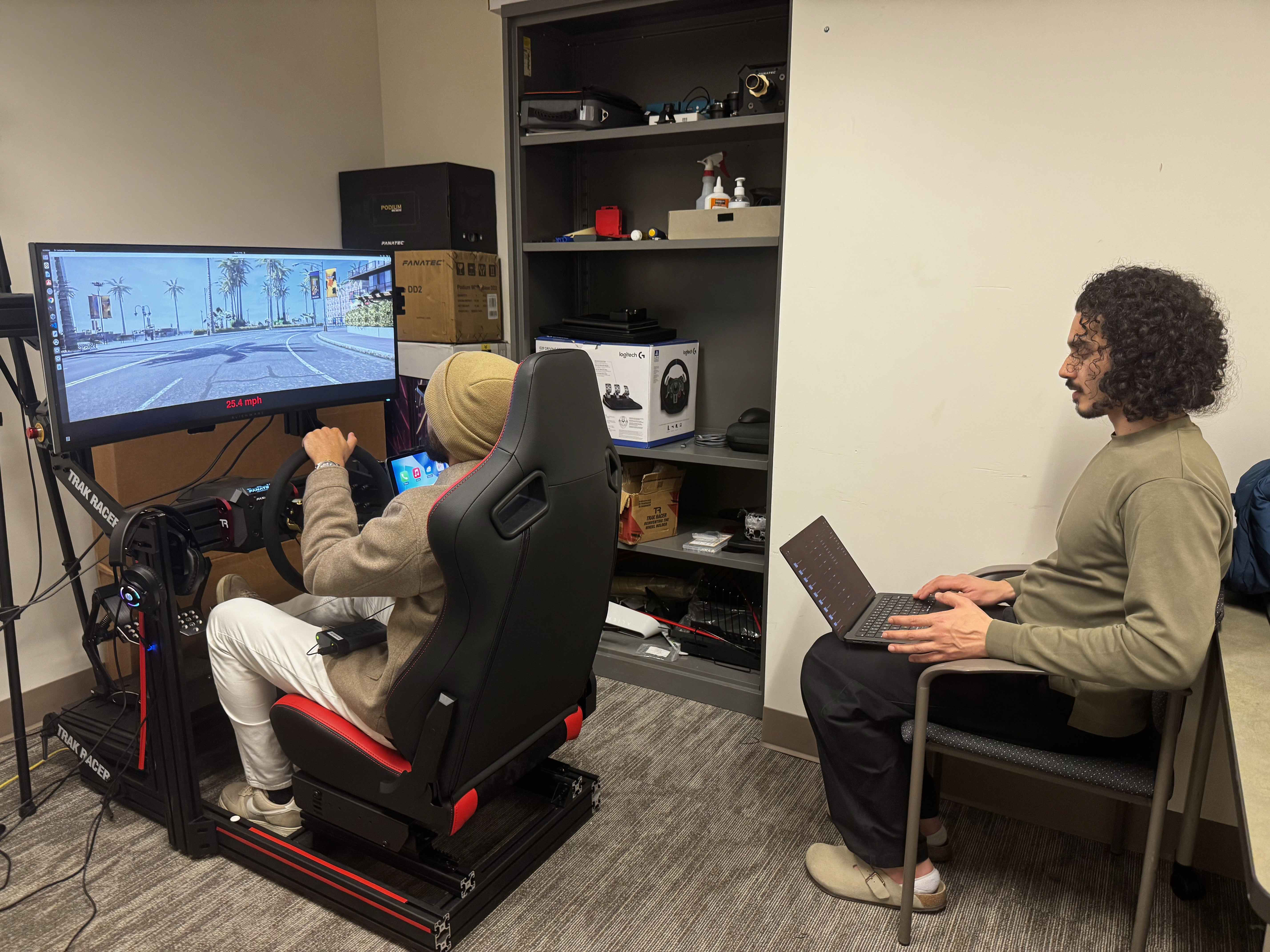
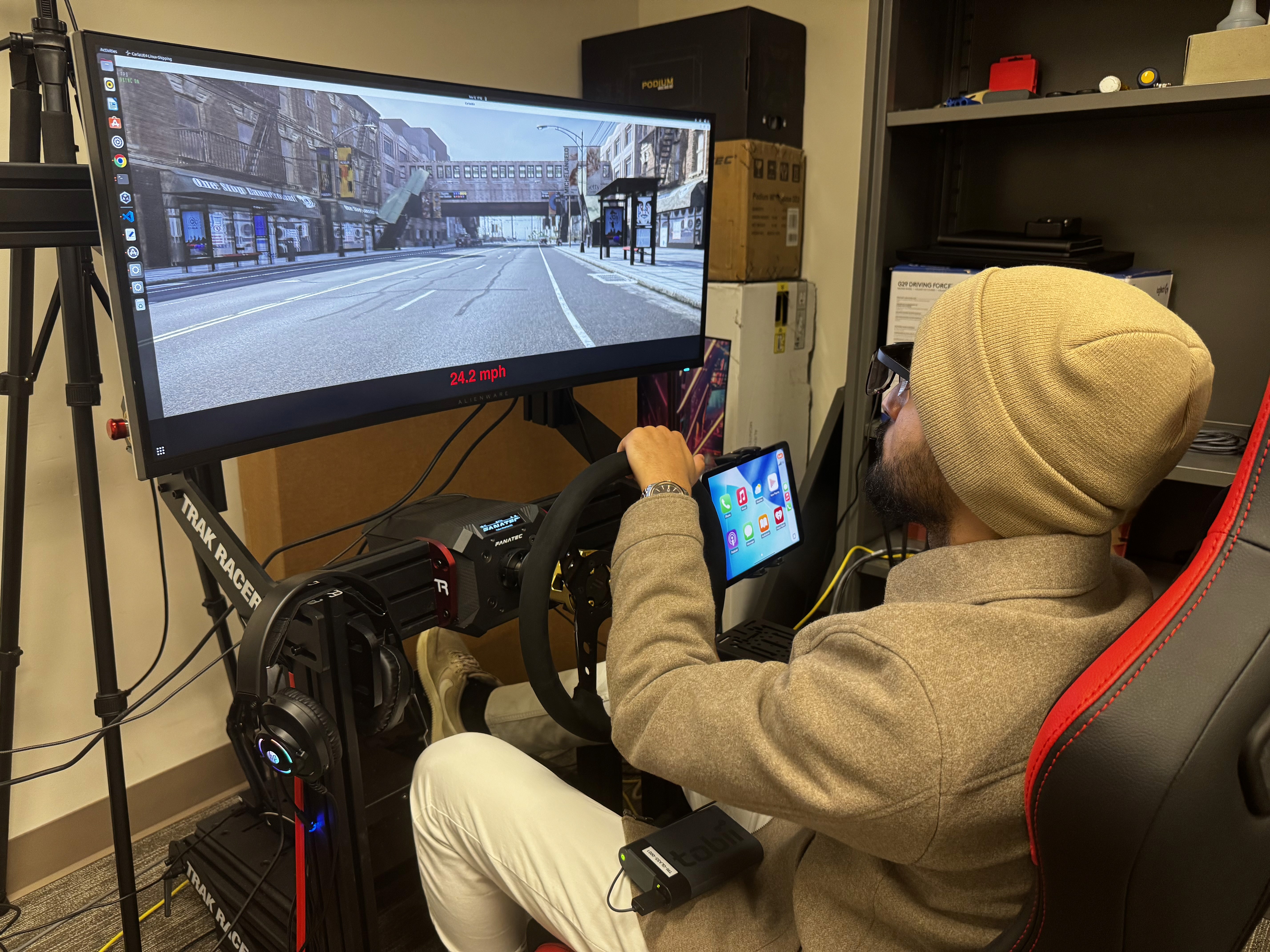
The study was conducted in CARLA Town 10 (v0.9.12) with 24 licensed drivers (18+) with balanced gender representation and no reported conditions that could impair driving. Measures included lane deviation, speed, off-road glances, recall, and workload.
Independent variables
Interaction conditions:
Announce — System automatically reads incoming messages aloud.
Opt-in — System asks whether the driver wants to hear the message.
Mediation:
Messages were delivered either during the straight segments or during curves to evaluate how road context affects driver attention.
Study Goals
I evaluated how voice interaction style and road context influence driver attention, workload, and driving performance.
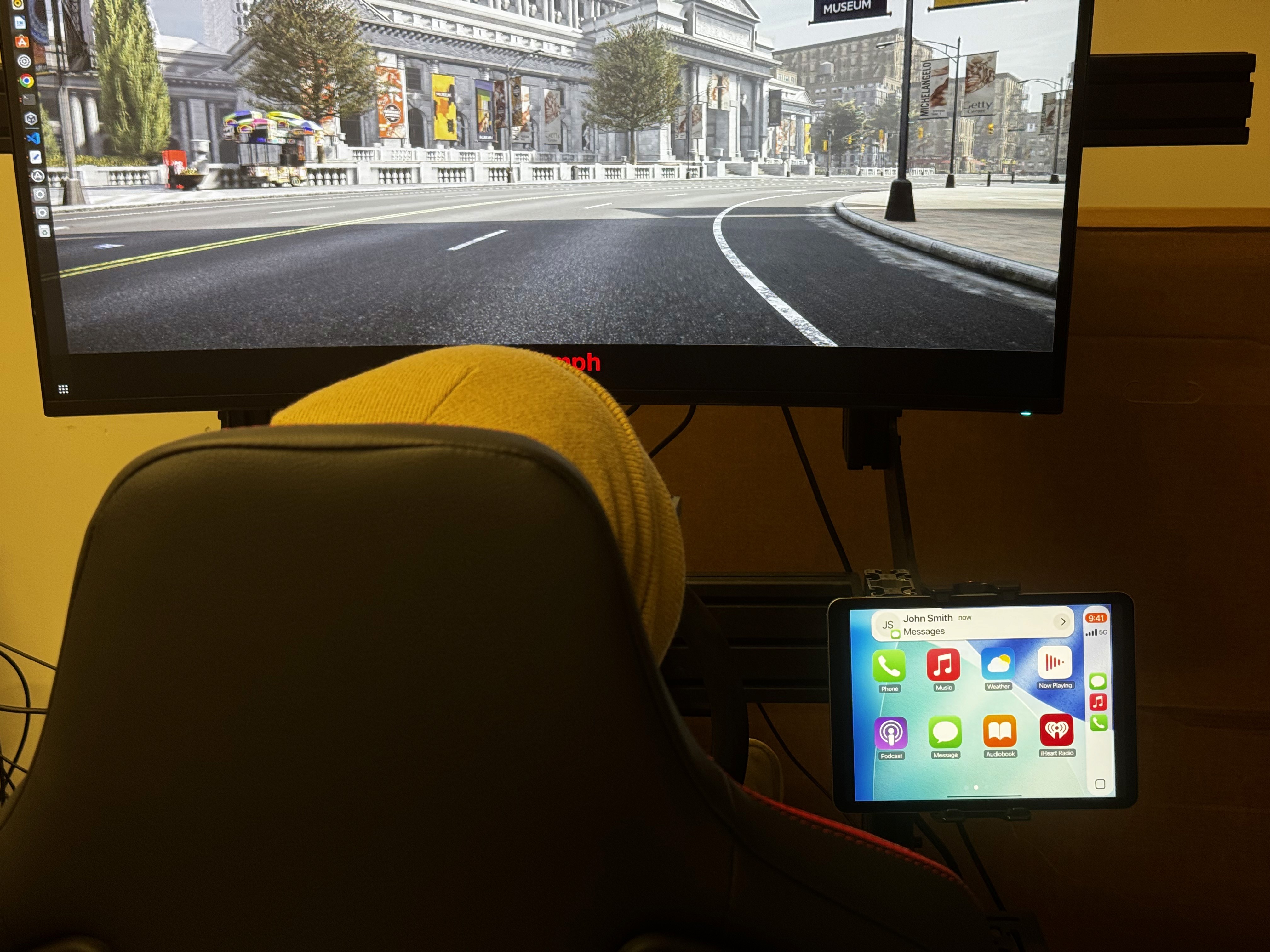
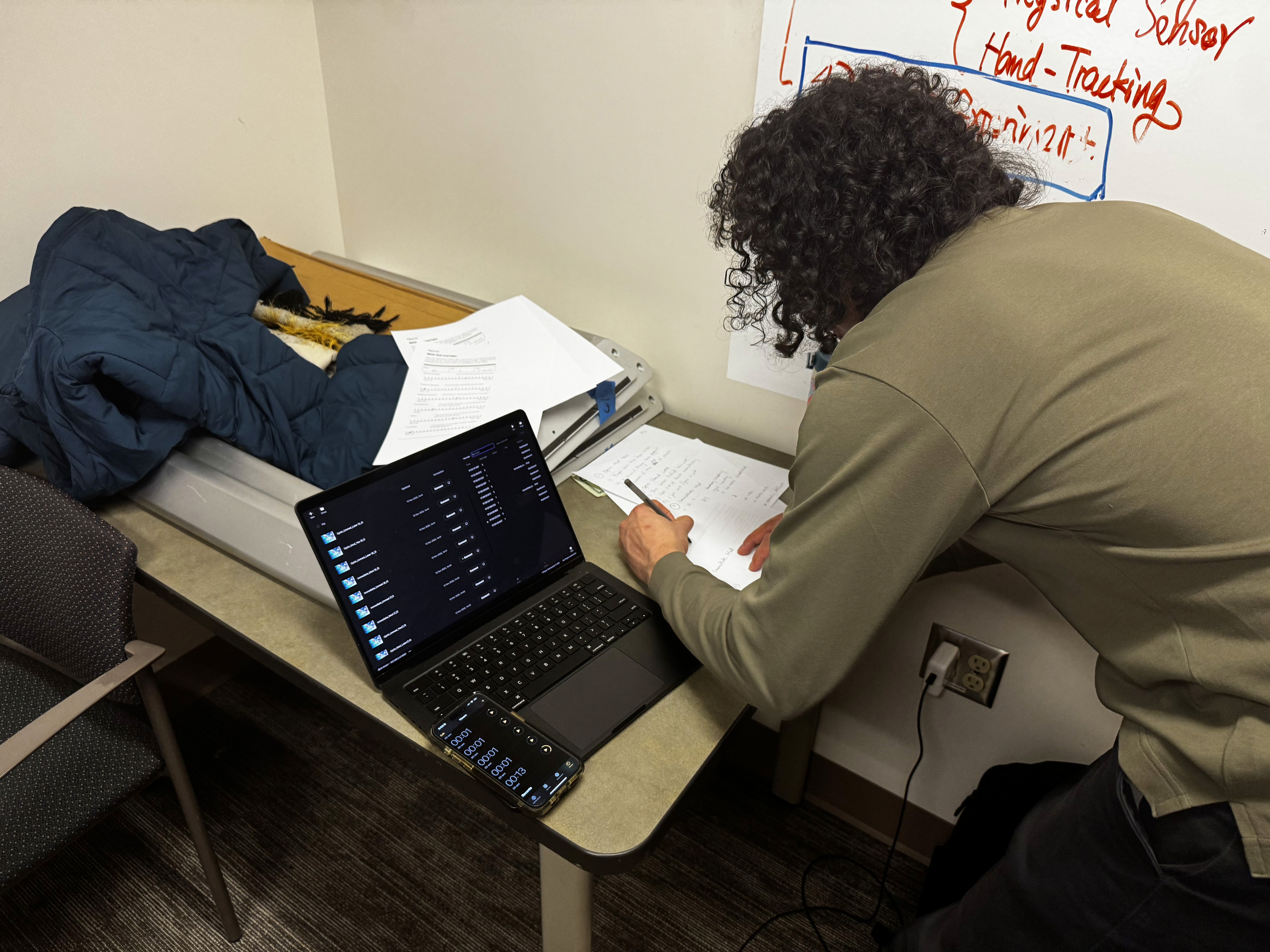
Using a Wizard-of-Oz setup, I precisely controlled message timing to simulate context-aware notification delivery.
Key Insights
Drivers prefer immediate announcements but may experience subtle performance changes
“I think the message coming immediately was better.” - P4
Drivers appreciated automatic announcements because they removed anticipation. However, telemetry showed subtle increases in speed and lane deviation during message playback.
Drivers are often unaware of how notifications affect driving performance
“I didn’t realize I sped up until you told me to slow down.” - P9
Even when participants believed they maintained control, driving data revealed measurable performance changes.
Messaging creates social pressure to respond
“When I get a message while driving I feel like I need to respond immediately.” – P22
Participants described a strong urge to respond to messages quickly, even when driving conditions were demanding.
Design Implications
Delay non-urgent notifications during cognitively demanding road conditions (e.g., curves, merges)
Reduce perceived urgency of incoming messages
Give drivers control over when messages are read or deferred
Design Guidelines
The study suggests that safer in-vehicle messaging systems should account for driving context, cognitive load, and social urgency, not just minimize visual interaction. Based on these findings, several product opportunities emerged.
Context-Aware Timing
Incoming messages should be delivered when driver cognitive demand is lower. Instead of interrupting drivers immediately, the system could evaluate road context (e.g., curves, intersections, lane changes) and delay non-urgent notifications until the vehicle reaches a safer segment.
Deferred Playback
Drivers often feel social pressure to respond immediately to incoming messages. Deferred playback allows drivers to acknowledge a message and listen when conditions are safer.
Driver-Controlled Modes
Drivers vary in their tolerance for interruptions. Messaging modes could allow drivers to choose notification behavior that matches their preferences and driving environment.